
I still remember the first time I actually trusted an AI voice generator with a client project. It was 2026, I was knee deep in an e learning rollout for a regional healthcare network, and our lead narrator caught pneumonia three days before launch. We had forty modules, tight compliance deadlines, and zero budget for a last minute studio booking. Out of sheer desperation, I fed a cleaned-up script into a text to speech AI platform, tweaked the pacing markers, and braced for the robotic cadence I’d come to expect. What came back wasn’t perfect, but it was startlingly close to human. We shipped on time.
The learners never questioned it. And I realized the ground had quietly shifted beneath us. Since then, I’ve tested, broken, and rebuilt workflows around synthetic voice technology across podcasts, YouTube faceless channels, internal training, and accessibility projects. The landscape moves fast, but the fundamentals haven’t changed: an AI voice generator is only as good as the hands guiding it.
How the Tech Actually Works (Without the Hype)
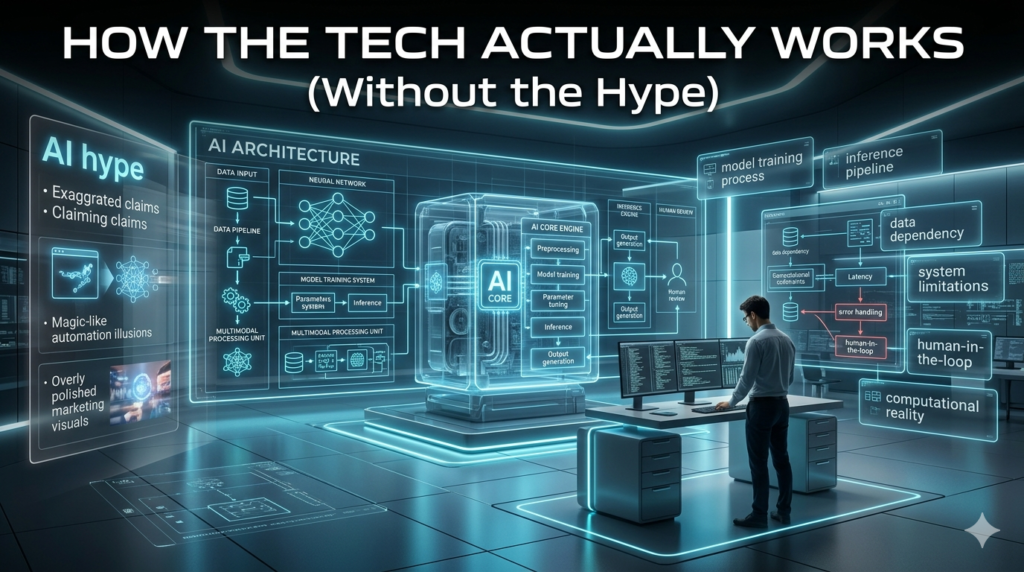
At its core, voice synthesis technology maps text to phonemes, then predicts how those sounds should flow together based on massive datasets of human speech. Modern engines don’t just stitch audio clips; they model prosody, breath, emphasis, and even micro-pauses using neural networks trained on thousands of hours of recorded speech. When you type a sentence into a realistic AI voices platform, the system isn’t reading it.
It’s performing it, drawing on statistical patterns of how humans naturally stress syllables, drop pitch at the end of statements, or lift tone for questions. Voice cloning takes it a step further. Feed a clean three-to-five-minute sample of a specific speaker, and the model learns their timbre, rhythm, and habitual inflections. It’s impressive, sure, but it’s also where things get ethically and technically messy.
Where AI Narration Actually Shines
I’ve seen AI voice generators save projects that would have otherwise stalled. A mid-sized SaaS company I consulted for used AI narration to localize onboarding videos into six languages in under two weeks. Instead of hiring six voice actors, booking studio time, and managing revision cycles, they generated base tracks, had native speakers review pronunciation, and layered in light human editing for emotional beats. Production time dropped by roughly 65%, and consistency across modules improved dramatically.
Content creators lean on synthetic voice for scalability. Faceless YouTube channels, audiobook publishers testing market demand, and indie game devs prototyping dialogue all use text to speech AI as a drafting tool. It’s not about replacing human performers; it’s about removing friction from early-stage production and making audio accessible to teams that simply can’t afford traditional voiceover pipelines.
The Limits Nobody Talks About
Here’s the thing most tutorials skip: AI voices still struggle with subtext. Sarcasm, grief, restrained excitement, the kind of pause that carries weight rather than just breath, these require lived experience. I’ve heard synthetic narration nail technical explanations and completely flatten a personal story. The uncanny valley isn’t just visual; it’s auditory. When a voice sounds 95% human but misses the emotional landing, listeners notice. Even if they can’t articulate why.
Pacing in long-form content is another friction point. AI engines tend to maintain a steady rhythm that feels natural for two minutes but exhausting at twenty. You’ll need to manually insert breaks, adjust speed per section, or split scripts into logical chunks. And then there’s licensing. Some platforms claim broad usage rights over generated audio, while others restrict commercial distribution or voice cloning. Read the terms. I’ve seen creators get flagged for monetizing content because they skipped the fine print on a free tier.
Ethics, Consent, and the Line You Don’t Cross
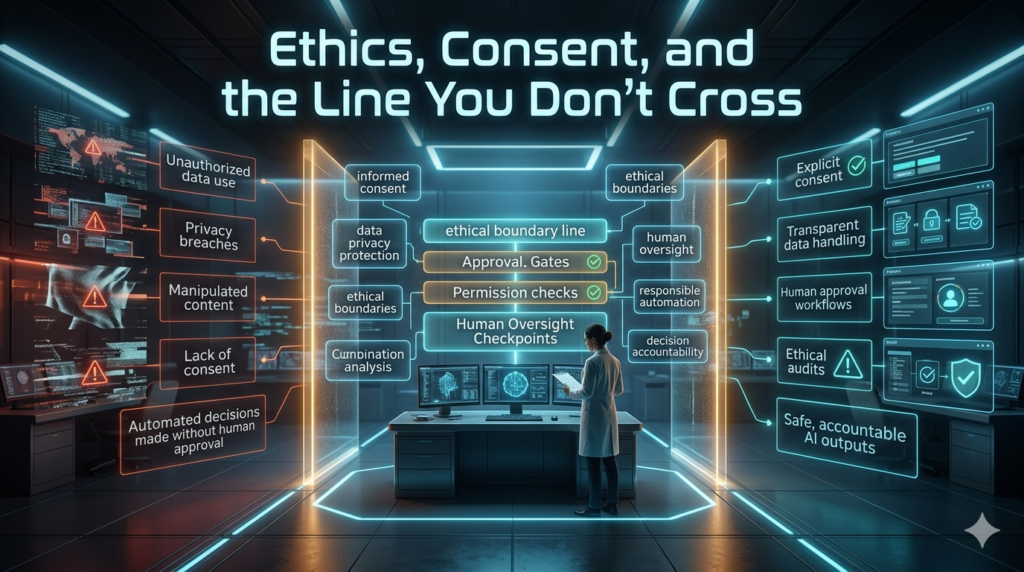
Voice cloning without explicit, documented consent is a hard no. Period. The technology is accessible enough that bad actors can scrape public interviews or social clips to mimic journalists, executives, or private individuals. We’ve already seen synthetic voice used in scam calls and misleading political ads. Platforms are scrambling to implement watermarking and detection, but regulation lags behind capability.
If you’re using an AI voice generator commercially, disclose it when context matters. The FTC and major platforms are tightening guidelines around synthetic media. Transparency isn’t just compliance; it’s trust. When I work with brands, we label AI-narrated content in descriptions or credits, secure written consent for any cloned voice, and avoid mimicking public figures entirely. It’s a small friction that saves massive headaches later.
How to Actually Get Good Results
Treat the AI like a session musician, not a magic button. Start with a clean, conversational script. AI stumbles on tangled syntax, excessive jargon, or punctuation that doesn’t match spoken rhythm. Use SSML or built-in pacing tools to mark emphasis, pauses, and tone shifts. Read the script aloud yourself first; if you trip over a line, the engine will too. Test multiple voices against your context. A warm, slightly slower tone works for wellness content.
Crisp, mid-paced delivery fits technical tutorials. Don’t chase most realistic blindly; chase most appropriate. Layer in light human editing: trim awkward breaths, adjust volume dips, add room tone or subtle background ambience to ground the track. And always keep a human in the loop for final review, especially for compliance, accessibility, or emotionally sensitive material.
The Bottom Line
AI voice generators aren’t here to erase human voices. They’re here to democratize audio production, accelerate workflows, and fill gaps where traditional voiceover isn’t feasible. Used thoughtfully, they’re remarkably capable. Used carelessly, they sound hollow, risk legal blowback, and erode audience trust. The technology will keep improving, but the differentiator won’t be the engine.
It’ll be your judgment, your editing, and your willingness to respect the line between augmentation and deception. If you’re stepping into this space, start small. Test ethically. Edit ruthlessly. And remember that the best synthetic voice is the one your audience never has to think about.
FAQs
Q: What exactly is an AI voice generator?
A: It’s a software tool that converts written text into spoken audio using machine learning models trained on human speech patterns, producing synthetic narration that mimics natural cadence and tone.
Q: Are AI voices good enough for commercial use?
A: Yes, if you choose a reputable platform, verify commercial licensing, edit for pacing and emotion, and disclose synthetic narration when context or platform rules require it.
Q: Is voice cloning legal?
A: Only with explicit, documented consent from the voice owner. Cloning without permission violates privacy rights, platform policies, and emerging synthetic media regulations in multiple jurisdictions.
Q: Why do some AI narrations sound robotic or flat?
A: Poor script formatting, lack of pacing markers, overly long unbroken passages, or mismatched voice to context choices. AI needs directional cues just like human voice actors do.
Q: What’s the best way to improve AI voiceover quality?
A: Write for the ear, use pause/emphasis tags, split long scripts, add light human editing, match voice tone to content type, and always run a final listen on multiple devices before publishing.