
There was a time when I would dread the final step of any video project. After hours of editing, color grading, and mixing audio, the transcript lay ahead. I recall one specific documentary project three years ago where I spent two entire days sitting in front of a waveform, squinting at subtitles, and pausing every five seconds to sync the text. It wasn’t glamorous, and frankly, it killed momentum. When I switched over to an AI subtitle generator, that same task went from forty eight hours to roughly ninety minutes.
That shift didn’t just save me time; it fundamentally changed how we approach content creation. But let’s be clear: while the technology is impressive, relying on it blindly can lead to embarrassing errors. Here is what I’ve learned about navigating the current landscape of automatic captioning tools after testing nearly a dozen platforms over the last few years.
Why Subtitles Are No Longer Optional
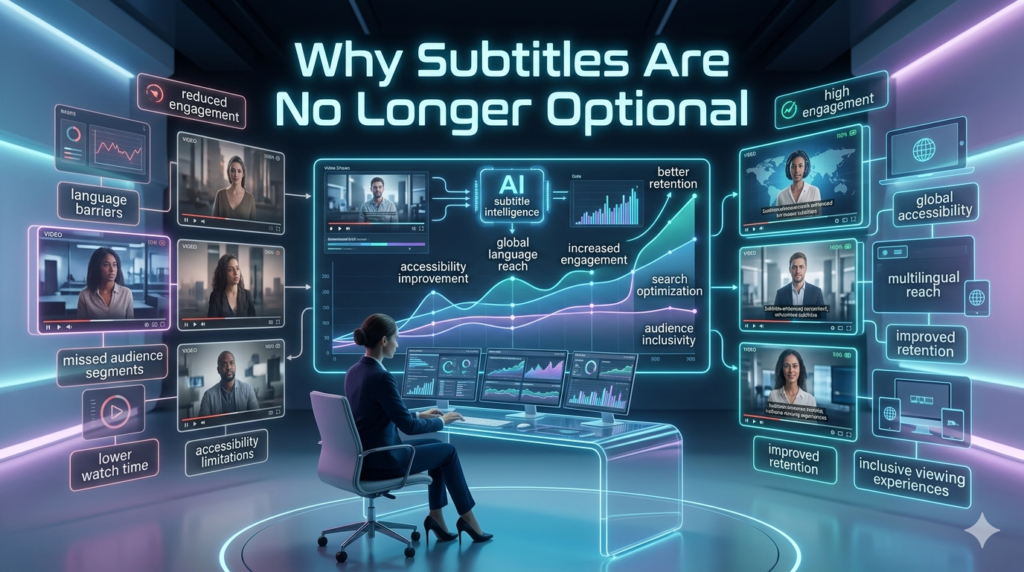
Before diving into the software, you have to understand why we are even talking about this. In 2026, subtitles aren’t an accessibility feature anymore they are a consumption standard. Whether you’re posting a Reel, a corporate training video, or a YouTube essay, people are watching silently. Public transit, office environments, and late-night scrolling demand text overlays. Furthermore, there is a legal angle. For public facing organizations, ensuring ADA compliance often requires accurate closed captioning.
When I first started experimenting with AI tools, I was looking for speed. Now, I look for workflow integration. An automatic captioning tool needs to speak the language of your editing software.
How the Tech Actually Performs
You might hear marketers claim 100% accuracy. That’s a red flag. In my experience, the best speech-to-text engines hover between 90% and 95% accuracy under ideal conditions. Ideal means crisp audio, a single speaker, and moderate speaking pace. I tested a few different generators last month using a noisy podcast interview recorded in a coffee shop. One popular free tool struggled significantly with the background espresso machine hiss, swapping names like Sarah for Zara.
Another premium option handled the noise much better but failed on industry specific jargon. It transcribed KPI as key pie because it didn’t recognize the acronym. This highlights a crucial reality: these models predict words based on probability. They don’t “listen” like humans do. They analyze patterns. If your content relies heavily on unique dialects, heavy slang, or overlapping dialogue, you will need a plan B.
Choosing the Right Tool for Your Niche
Not all AI subtitle generators are built for the same user. When evaluating these tools, I break them down into two main categories: the integrated creators and the post production specialists. Integrated creators, often found inside platforms like CapCut or Descript, are fantastic for quick social clips. They generate burned in captions instantly within the mobile or desktop app. The fonts are trendy, animations are built in, and you can export directly to TikTok. However, their transcription accuracy tends to lag behind dedicated services. Then you have the post-production specialists. These are web based services designed for filmmakers and YouTubers.
They allow you to download separate SRT files, which you can then import into Premiere Pro or DaVinci Resolve. This gives you granular control over styling. If you are managing a brand, consistency matters. You want your blue font and safe margins to stay consistent across thirty videos. An integrated social tool might change your alignment on every upload, whereas a dedicated generator allows for template locking.
The Human Element: Proofreading is Mandatory
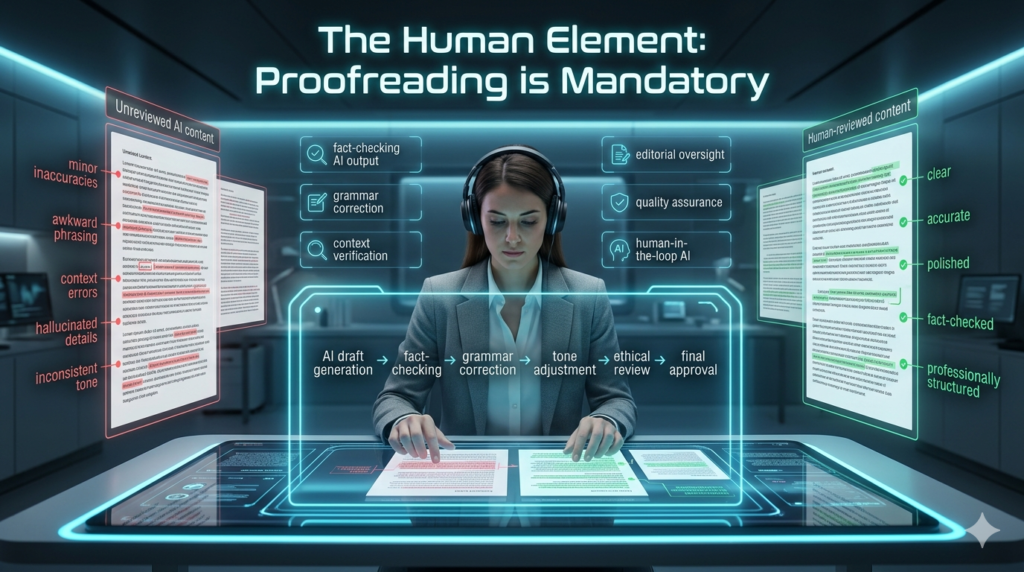
I cannot stress this enough: never publish auto generated captions without a human review. There is a distinct difference between readability and truthfulness. I once published a marketing explainer where the AI swapped the phrase we guarantee results with we guarantee resists. It ruined the call to action. The grammar was fine, but the meaning was inverted.
Beyond typos, timing matters. An algorithm might place a subtitle exactly when the word is spoken, but human editors know to hold the text slightly longer for readability. We also know when to break lines so they don’t cover a face or a logo. An AI subtitle generator handles the heavy lifting, but you remain the editor. Treat the output as a draft, not a final manuscript.
Cost versus Value
Pricing structures vary wildly. Some operate on a pay per minute model, which makes sense for occasional users. Others charge a monthly subscription, which is usually more economical for agencies producing weekly content. For a freelancer starting out, I recommend trying a free tier first to test accuracy on your specific voice profile.
If the tool struggles with your accent immediately, paying for it won’t fix the underlying recognition issue. Look for tools that offer custom vocabulary dictionaries. Being able to feed the system your glossary of proper nouns and technical terms dramatically increases accuracy scores.
Ethical Considerations and Future Outlook
We also have to talk about trust. With deep fakes becoming easier to create, accurate attribution of speech is vital. Misrepresenting quotes through poor transcription can damage credibility. Additionally, be aware of data privacy. When you upload sensitive video footage to a cloud based video transcription service, ensure their Terms of Service state they won’t use your data to train further models unless you opt-in.
Looking forward, the technology is moving toward real-time live captioning and sentiment detection. Soon, you’ll likely see tools that highlight emotional shifts in the speaker’s voice automatically. Until then, the hybrid model AI for speed, human for quality is the gold standard.
Conclusion
Using an AI subtitle generator is one of those upgrades that feels like cheating until you realize everyone else is doing it. It democratizes accessibility and frees up mental space for actual storytelling. However, keep your eyes open. Verify the timing, check the spelling, and listen back to ensure the soul of the conversation hasn’t been lost to a probabilistic error. Technology accelerates the process, but intent ensures the quality.
FAQs
Q: Are AI subtitle generators free?
A: Many offer free tiers with limited minutes or watermarks. For commercial use without branding, most require a paid subscription.
Q: Do they support multiple languages?
A: Most modern tools support dozens of languages and can translate subtitles from one language to another automatically.
Q: How accurate is the speech recognition?
A: Accuracy typically ranges from 90% to 95% for clear English audio. Complex accents, background noise, or technical jargon may lower this rate.
Q: Can I edit the subtitles after generation?
A: Yes, all reputable tools provide an editor where you can modify text, adjust timing, and customize font styles before exporting.
Q: Which is better: Burned-in or Soft Subtitles?
A: Burned-in are permanent video overlays (good for social media). Soft subtitles (SRT/VTT) are toggleable by the viewer (required for accessibility compliance on sites like YouTube).