
I remember the first time I used an AI content generator for a real client project. It was 3:00 AM, I was staring at a blinking cursor on a blank page, and a deadline was looming like a storm cloud. Out of desperation, I fed a vague prompt into the tool. Within seconds, it produced a 500-word article that was grammatically perfect, structurally sound, and utterly soulless. It was a starting point, sure, but it lacked the heartbeat of human experience. That moment defined my relationship with AI content generators ever since: a mix of awe, skepticism, and a relentless drive to steer the technology rather than be replaced by it.
In the last few years, AI content generators have shifted from a niche curiosity to a ubiquitous tool in the digital landscape. From marketing agencies to solo bloggers, everyone is experimenting with these systems. But as someone who has spent years crafting words for a living, I’ve learned that these tools are not magic wands. They are sophisticated calculators that predict the next likely word in a sequence, and understanding that distinction is the key to using them effectively and ethically.
Understanding the Engine Under the Hood
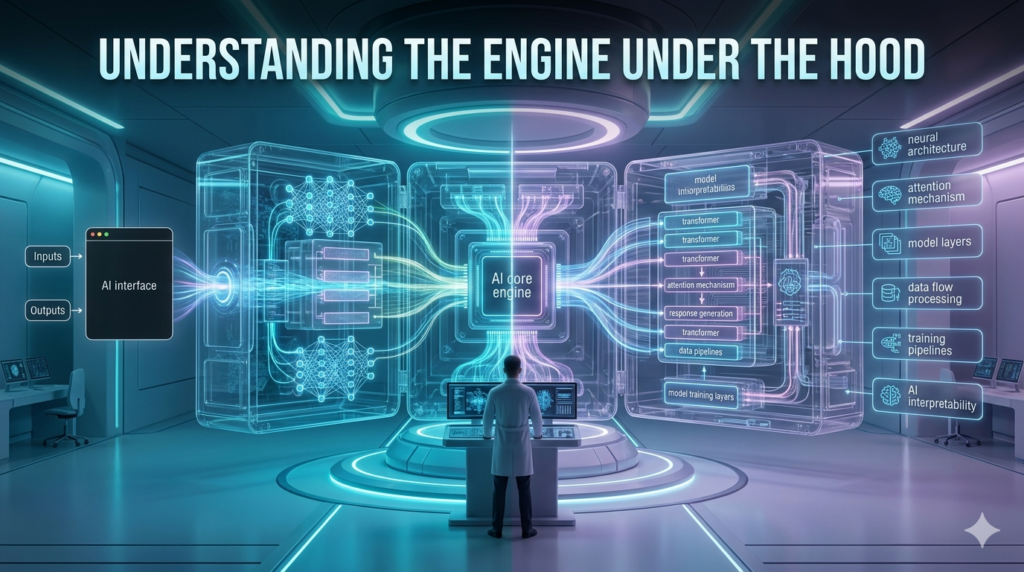
At its core, an AI content generator is a large language model (LLM) trained on vast datasets of text books, articles, websites, and transcripts. It doesn’t know what it’s saying in the way a human does; it doesn’t have beliefs, memories, or lived experiences. Instead, it identifies patterns. If you ask it to write about the best coffee shops in Seattle, it scans its training data for associations between coffee, Seattle, and descriptive adjectives, then stitches them together probabilistically.
This process is incredibly powerful. It can mimic tone, structure, and style with startling accuracy. However, it also means the output is inherently derivative. It’s a remix of existing content, not a creation of new thought. This is where the expertise of a human operator becomes critical. You aren’t just a writer anymore; you are an editor, a curator, and a fact-checker.
The Practical Applications: Where AI Shines
In my experience, AI content generators are most valuable in the early stages of the creative process. They excel at overcoming the blank page syndrome that paralyzes so many writers. Here’s where they practically deliver value:
- Ideation and Outlining: Instead of staring at a screen, I can ask an AI to generate 20 blog post titles on a specific niche topic. It won’t give me gold every time, but it sparks connections I might not have considered. Similarly, asking it to create a detailed outline for a long form article can provide a skeleton that I then flesh out with unique insights.
- Drafting Repetitive Copy: For tasks like generating meta descriptions, email subject lines, or product descriptions for similar items, AI is a time saver. It handles the mundane, repetitive text that drains creative energy, freeing up the human mind for strategic thinking.
- Brainstorming Angles: When I’m stuck on a particular section of an article, I might feed the AI a paragraph and ask it to suggest three different ways to transition to the next point. It’s like having a brainstorming partner who never gets tired.
I once worked on a project for a local hardware store that needed hundreds of product descriptions for their new e-commerce site. Writing each one from scratch would have taken weeks. By using an AI generator to create the first drafts based on technical specs, I was able to refine and humanize the copy in a fraction of the time, ensuring the brand voice remained consistent without burning out.
The Limitations and Risks: Where AI Fails
However, relying solely on AI is a dangerous game. The limitations are not just technical; they are deeply human.
The “Hallucination” Problem: AI models can confidently state falsehoods. I once asked a generator to write a brief history of a specific, obscure local landmark. It produced a beautifully written paragraph full of specific dates and names none of which were real. The landmark existed, but the history was entirely fabricated. This is why human oversight isn’t just recommended; it’s non negotiable. Fact checking every claim is essential, especially in YMYL (Your Money or Your Life) niches like finance and health.
Lack of Nuance and Originality: AI struggles with genuine creativity and cultural nuance. It can describe a sunset using clichés it has learned from millions of poems, but it cannot capture the specific, personal memory of watching a sunset with a loved one. It doesn’t understand irony, sarcasm, or the subtle shifts in language that occur within subcultures. The output often feels generic, polished but hollow.
SEO and the Risk of Redundancy: Search engines like Google prioritize high quality, original content. While they have stated they reward the use of AI if it’s helpful and people first, an over-reliance on unedited AI content can lead to a sea of sameness. If thousands of sites use the same model to generate content on the same topic, the internet becomes clogged with repetitive information. Furthermore, AI models have a knowledge cutoff; they don’t know about events that happened last week unless connected to the internet, which introduces another layer of potential error.
Ethical Considerations and the Human Element
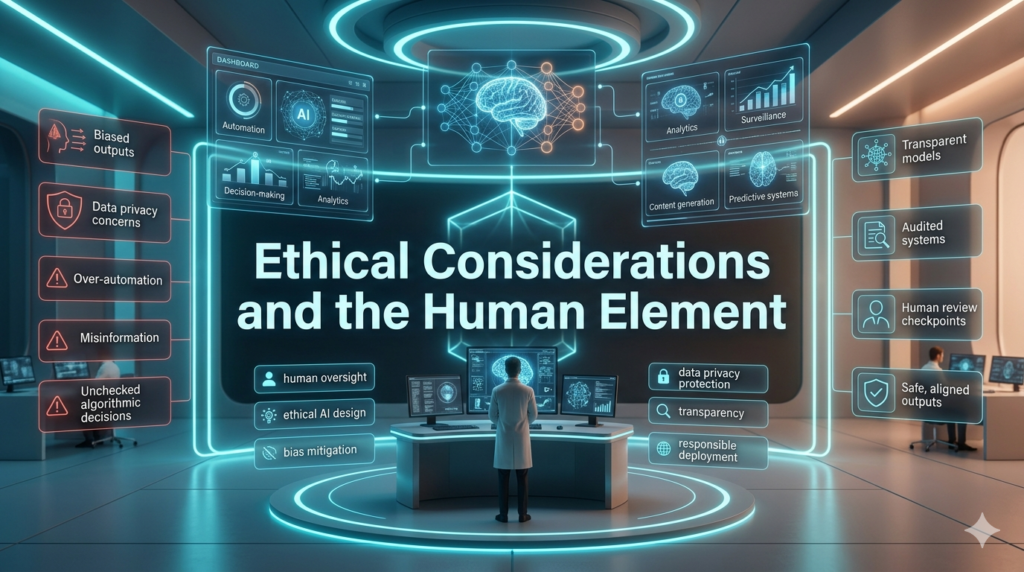
The rise of AI content generators brings a host of ethical questions that we, as creators, must grapple with. Plagiarism is a gray area. While AI doesn’t copy paste, it remixes existing data. If the training data includes copyrighted material, the output could inadvertently resemble protected work. Transparency is another big issue. Should we disclose when content is AI assisted? In my view, honesty builds trust with the audience. I often tell clients when I’ve used these tools to enhance efficiency, framing it as a collaboration between human strategy and machine execution.
There’s also the impact on the writing profession. Many fear obsolescence, but I see a shift in required skills. The value is moving from pure typing speed to editorial judgment, strategic prompting, and deep subject matter expertise. The best writers of the future won’t be those who can write the fastest, but those who can curate and refine AI output into something truly valuable.
Best Practices for Using AI Content Generators
If you’re looking to integrate these tools into your workflow, here’s a practical approach based on my hands on experience:
- Treat it as a Junior Assistant: Never publish AI output directly. Use it to generate drafts, outlines, or ideas, then apply your expertise to edit, fact check, and inject personality.
- Be Specific with Prompts: The quality of the output depends heavily on the input. Instead of write a blog post about gardening, try write a 500-word blog post for beginner gardeners in a dry climate, focusing on drought-resistant plants, with a friendly and encouraging tone.
- Combine with Human Research: Use AI to structure information, but gather unique data, quotes, and insights from real world sources to add depth that the AI cannot replicate.
- Maintain Your Voice: AI tends to default to a neutral, formal tone. Edit aggressively to align the text with your unique brand voice or personal style.
The Future: Collaboration, Not Replacement
Looking ahead, AI content generators will become more integrated into our digital tools, making the process even more seamless. We’ll see better real time fact checking, more nuanced tone adjustments, and perhaps even personalized content generation at scale. But the core principle remains: these are tools to augment human intelligence, not replace it. The most successful applications will be those that leverage the speed and efficiency of AI while relying on human judgment for strategy, empathy, and creativity.
In my own work, I’ve found that using AI allows me to focus more on the why behind the content the strategy and the connection with the reader rather than getting bogged down in the how of initial drafting. Ultimately, the best content resonates because it connects on a human level. AI can mimic the patterns of that connection, but it cannot feel it. That remains our unique and enduring advantage.
FAQs
Q: Can AI content generators replace human writers?
A: No, they are tools to assist, not replace. While AI can produce text quickly, it lacks the critical thinking, creativity, and ethical judgment of a human. The future lies in collaboration, where humans handle strategy and editing.
Q: Is AI-generated content good for SEO?
A: Yes, if used correctly. Google rewards helpful, people-first content regardless of how it’s produced. However, unedited, generic AI content can be repetitive and may not rank well. Human refinement is key to SEO success.
Q: How do I avoid plagiarism with AI content?
A: AI models generate original text based on patterns, but they can sometimes produce outputs very similar to their training data. Always run AI-generated content through plagiarism checkers and, more importantly, add your own unique insights and voice.
Q: What are the best practices for prompting AI?
A: Be specific and provide context. Include the target audience, desired tone, key points to cover, and any formatting requirements. The more detailed your prompt, the better the output.
Q: Are there ethical concerns with using AI for content?
A: Yes. Key concerns include transparency (disclosing AI use), accuracy (fact-checking), and the potential for biased or harmful content in the training data. Responsible use requires human oversight at every step.