
I’ve been running and consulting for ecommerce businesses for the better part of a decade now, and the last three years have completely changed how I approach almost everything. AI tools have gone from nice to have experimental features to absolute essentials that can make or break your competitive edge.
But here’s the thing not all AI tools are created equal, and the marketing hype doesn’t always match reality. Let me walk you through what I’ve learned from actual implementation, including the wins, the headaches, and the tools that genuinely moved the needle.
Where AI Actually Makes a Difference
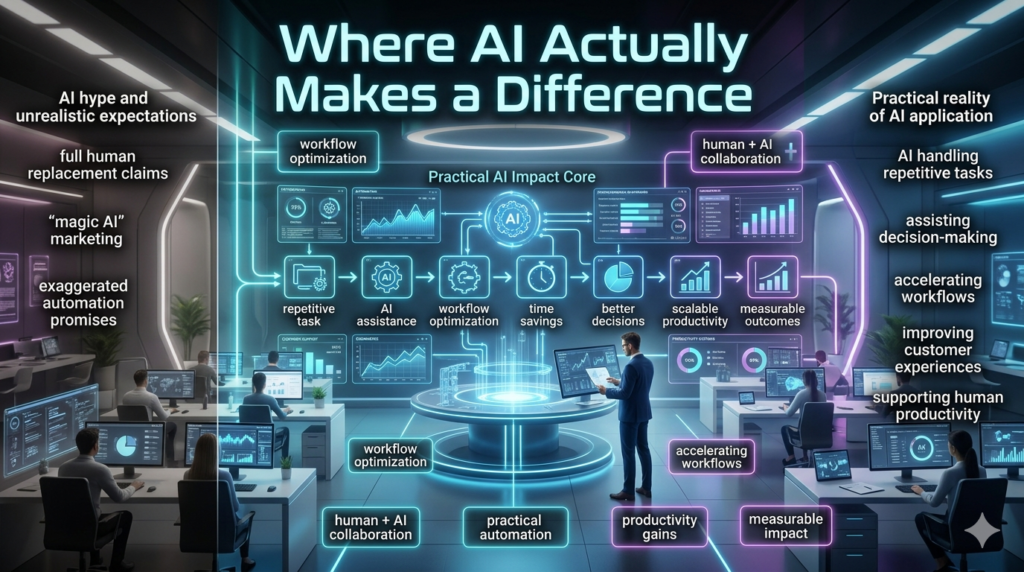
When I first started experimenting with AI for ecommerce, I made the mistake of trying to automate everything at once. Disaster. What I’ve learned is that AI works best when you deploy it strategically in specific areas where it solves real problems. Product descriptions and content generation have become exponentially easier. I used to spend hours writing product copy or paying freelancers substantial amounts. Tools like Jasper, Copy.ai, and even specialized ecommerce platforms with built-in AI can now generate decent first drafts. The key word here is first drafts. You still need human editing.
I once let an AI-generated description go live without proper review, and it claimed a coffee mug could hold infinite morning motivation. Technically creative, but my customer service team wasn’t amused when people asked about the mug’s motivational capacity. The real time-saver is using these tools for variations. When you’re selling the same product in different colors or sizes, AI can help you create unique descriptions that prevent duplicate content issues without the mind-numbing repetition.
Customer Service That Doesn’t Suck
Chatbots used to be terrible. You know the ones those frustrating loops where you’re screaming “TALK TO A HUMAN” at your screen. Modern AI chatbots are different, though they’re still not perfect. I implemented Tidied with AI capabilities on one of my stores last year, and customer satisfaction actually went up. The trick was setting it up with realistic expectations. The bot handles simple questions: shipping times, return policies, order tracking.
Anything remotely complex gets routed to my team immediately. We went from 200+ daily simple inquiries overwhelming my support staff to maybe 30 that actually need human judgment. The financial impact was real I reduced support costs by about 40% while actually improving response times. But you have to monitor these systems constantly. Every few weeks, I review conversations where customers seemed frustrated and adjust the bot’s parameters.
Personalization That Converts
Here’s where things get interesting. AI-powered personalization engines have genuinely impressed me. Tools like Dynamic Yield, Nostoi, or even Shopify’s built-in recommendation systems use machine learning to show different products to different visitors based on browsing behavior. I A/B tested this on a fashion accessories store. The control group saw standard Popular Items while the test group got AI-personalized recommendations.
The personalized group had a 23% higher conversion rate and 18% larger average order value. That’s not marginal that’s transformational. The technology analyzes patterns you’d never spot manually. It noticed, for example, that people who viewed silver jewelry between 2-4 PM were significantly more likely to purchase if shown minimalist designs rather than ornate ones. Why? No idea. But the data was consistent, and the AI capitalized on it.
Inventory and Pricing Intelligence
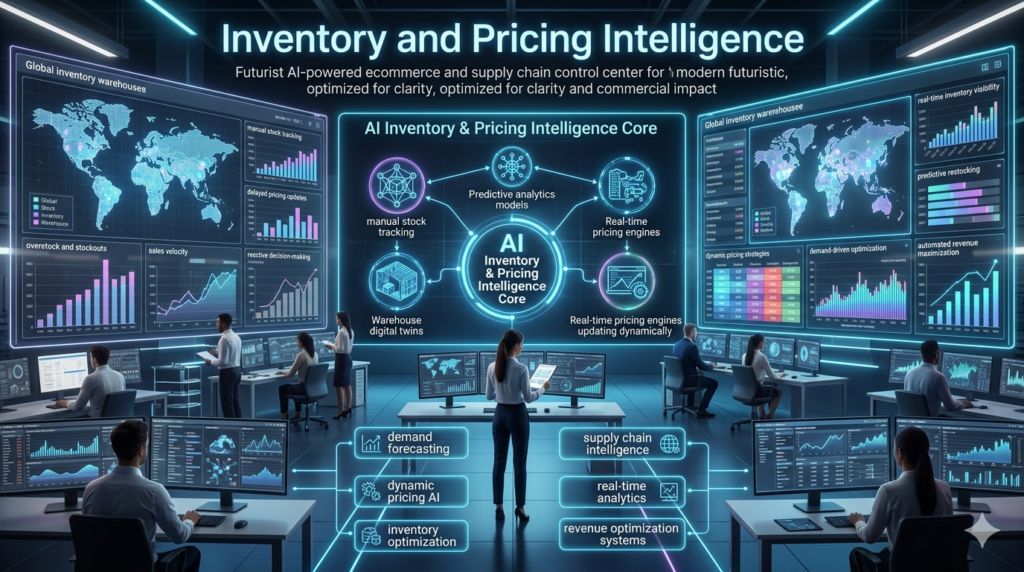
Dynamic pricing used to be something only Amazon-scale operations could manage. Now, tools like Resync and Competera make it accessible to mid-sized sellers. These systems monitor competitor prices, demand patterns, and your inventory levels to suggest optimal pricing. I’ll be honest I was skeptical about letting algorithms influence pricing. My first attempt was too aggressive, and I had products fluctuating prices so often that it looked erratic. The learning curve was steep.
Now I use AI pricing suggestions with guardrails: maximum and minimum price thresholds, and no more than one change per week for any product. The sweet spot is using AI to identify opportunities rather than making automatic changes. Last quarter, the system flagged that I could increase margins on a specific product category by 8% without impacting conversion rates. I probably would have left money on the table otherwise.
The Email Marketing Revolution
Email marketing AI has matured significantly. Flavio, Omni send, and similar platforms now use predictive analytics to determine send times, subject lines, and even product recommendations for each subscriber. The optimal send time feature alone improved my open rates by 12%. Instead of blasting everyone at 10 AM Tuesday, the system sends each person’s email when they’re historically most likely to engage which might be 7 PM Wednesday for some and 6 AM Monday for others.
But the real game-changer is predictive segmentation. The AI identifies customers likely to churn, those ready to make a second purchase, and those who need a nudge. My retention campaigns became dramatically more effective when I stopped treating all customers the same.
What to Watch Out For
Not everything works as advertised. I’ve wasted money on tools that promised incredible results but delivered mediocrity. Visual search AI, for instance, sounded amazing customers upload a photo and find similar products. In practice, for my niche products, the accuracy was maybe 60%, which frustrated more people than it helped. Also, privacy regulations are tightening. Some AI personalization features that worked brilliantly a few years ago now conflict with GDPR or CCPA requirements.
Always verify compliance before implementation. And there’s the human element. I once over-automated and lost the personal touch that differentiated my brand. Customers noticed. Finding the balance between efficiency and authenticity is crucial.
Getting Started Without Overwhelm
If you’re just beginning with AI tools for ecommerce, start small. Pick one pain point maybe it’s customer service inquiries or product descriptions and solve that first. Get comfortable with how the technology works, its limitations, and how to integrate it with your existing workflows. Most importantly, measure everything. Don’t just assume AI is working because it’s trendy. Track concrete metrics: conversion rates, customer satisfaction scores, time saved, revenue impact.
The ecommerce landscape is evolving faster than ever, and AI tools are no longer optional for serious sellers. But they’re tools, not magic wands. Your strategic thinking, brand understanding, and customer empathy still matter more than any algorithm.
FAQs
Q: Do I need technical skills to use AI ecommerce tools?
A: Most modern AI tools are designed for non technical users with drag and drop interfaces and built in templates. Basic setup is usually straightforward, though advanced customization might require developer help.
Q: How much do AI tools for ecommerce cost?
A: Prices range dramatically from $20/month for basic chatbots to $500+ for enterprise level personalization platforms. Many offer free trials, so test before committing to annual contracts.
Q: Will AI replace human workers in ecommerce?
A: AI handles repetitive tasks but still requires human oversight, strategy, and creativity. In my experience, it shifts roles rather than eliminates them your team focuses on higher value activities instead of routine work.
Q: How long before I see results from AI implementation?
A: Some tools like chatbots show immediate impact. Others, like personalization engines, need 2-4 weeks to gather enough data for meaningful optimization. Patience pays off.
Q: What’s the single most valuable AI tool for small ecommerce stores?
A: If I had to choose one, it’s AI-powered email marketing. The ROI is measurable, setup is manageable, and it works for stores of any size.